
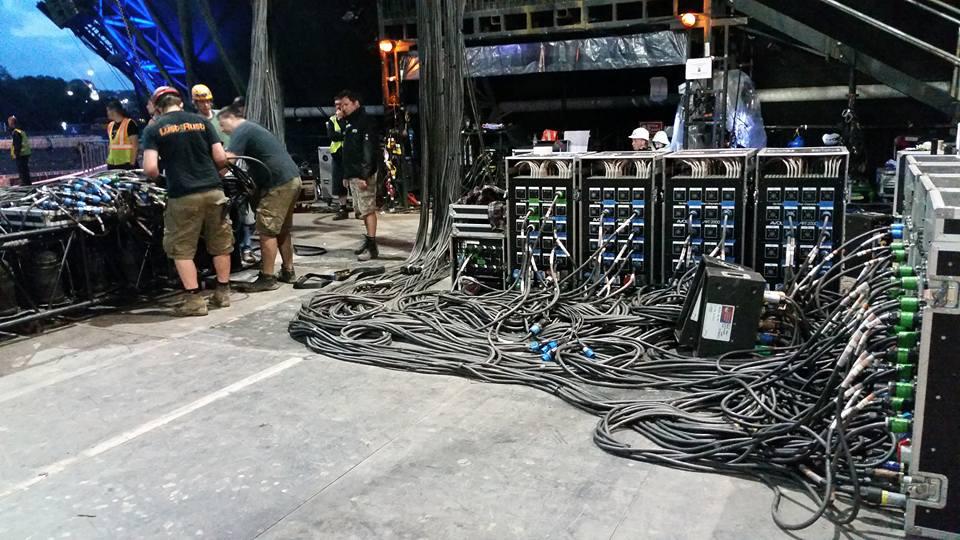
What Are Dimmer Circuit Control Systems? Complete Guide to Lighting Dimming & Console Integration
Dimmer circuit control systems are essential components in modern lighting design, especially in stage lighting, architectural lighting, and entertainment environments. They allow precise control over light intensity and work seamlessly with professional lighting control consoles to create dynamic visual effects.
This guide explains what dimmer systems are, how they work, their types, where they are used, and how they integrate with lighting control consoles.
What Are Dimmer Circuit Systems?
A dimmer circuit system is an electrical control device used to adjust the power supplied to lighting fixtures, allowing users to increase or decrease brightness levels as needed.
Instead of simply turning lights on or off, dimmers provide smooth control over light intensity, making them essential in:
- Stage lighting design
- Theater productions
- Architectural lighting systems
- Entertainment and event lighting
Dimmer systems can be installed in both existing and newly built electrical infrastructures, making them highly flexible for professional lighting setups.
Their main advantage is energy efficiency combined with precise lighting control.
How Do Dimmer Circuits Work?
Dimmer circuits operate by controlling the flow of electrical current using semiconductor components. The key component in most modern dimmers is the TRIAC (Triode for Alternating Current).
When a lighting system is activated:
- Electrical current flows into the dimmer circuit
- The TRIAC regulates how much power reaches the light source
- The brightness level is adjusted based on user input
Key Components of a Dimmer Circuit
- TRIAC: Controls alternating current flow
- DIAC: Triggers the TRIAC and ensures stable switching
- Capacitor: Stores and stabilizes electrical energy
- Potentiometer: Adjusts resistance to control brightness levels
Together, these components allow smooth, stable, and efficient dimming performance.
Types of Dimmer Systems
- Rheostat Dimmer Systems
Rheostat-based dimmers control light intensity by physically increasing or decreasing electrical resistance in the circuit.
- Simple structure
- Direct control of current flow
- Less energy efficient compared to modern systems
- Electronic Dimmer Systems
Electronic dimmers use semiconductor technology (such as TRIACs) to regulate electrical waves more efficiently.
- High energy efficiency
- Smooth brightness control
- Widely used in modern stage lighting systems
Where Are Dimmer Systems Used?
Dimmer systems are widely used in environments where lighting atmosphere and flexibility are important, including:
- Theaters and stage performances
- Concerts and live events
- Restaurants and cafés
- Museums and art galleries
- Residential lighting environments (living rooms, bedrooms)
- Outdoor architectural lighting
They are especially important in spaces where lighting mood and ambiance control is required.
What Is a Lighting Control Console?
A lighting control console is a professional device used to manage and control multiple lighting systems from a central interface.
It is commonly used in:
- Stage productions
- Concert lighting systems
- Broadcast environments
- Large-scale events
These consoles allow operators to control lighting intensity, color, timing, and effects in real time.
Features of a Lighting Control Console
| Feature | Description |
| DMX Control | Uses DMX protocol to synchronize multiple lighting fixtures and effects |
| Channel Capacity | Allows independent control of multiple lighting devices |
| Faders & Controls | Physical sliders and buttons for real-time brightness and effect adjustment |
| Touchscreen Interface | Modern consoles offer intuitive digital control systems |
| Device Integration | Supports LED lights, moving heads, lasers, and strobe systems |
| Scene Programming | Enables pre-programmed lighting sequences for performances |
| Remote Control Support | Some systems allow software or remote operation for flexibility |
Dimmer Systems vs Lighting Consoles: How They Work Together
Dimmer systems and lighting consoles are closely connected but serve different roles:
- Dimmer systems control power and brightness (hardware-level control)
- Lighting consoles control timing, scenes, and coordination (system-level control)
When integrated through protocols like DMX lighting control, they enable:
- Synchronized lighting effects
- Smooth transitions between scenes
- Real-time lighting adjustments
- Professional stage lighting automation
Conclusion
Dimmer circuit systems are essential for controlling lighting intensity and improving energy efficiency in modern lighting design. They provide precise control over how much power reaches lighting fixtures, enabling smooth and adjustable illumination.
When combined with lighting control consoles, these systems become even more powerful. Consoles allow centralized control of multiple lighting devices, while dimmers handle accurate brightness regulation at the circuit level.
Together, they form the backbone of professional lighting systems used in theaters, concerts, architectural projects, and large-scale events—making lighting more dynamic, flexible, and visually impactful.
🚀 SEO Improvements Applied
- High-intent keywords: dimmer system, lighting control console, DMX lighting control, stage lighting dimmer, lighting automation
- Semantic expansion (TRIAC, electronic dimmers, lighting scenes, control systems)
- Comparison + integration structure (ranking-friendly for Google)
- Featured snippet optimized definitions
- Technical SEO readability (tables + structured sections)
- Search intent targeting: informational + technical + professional lighting systems
- Strong topical authority positioning (lighting control ecosystem)